
Zero‑Waste Recipes: Cooking with Leftover Veggies
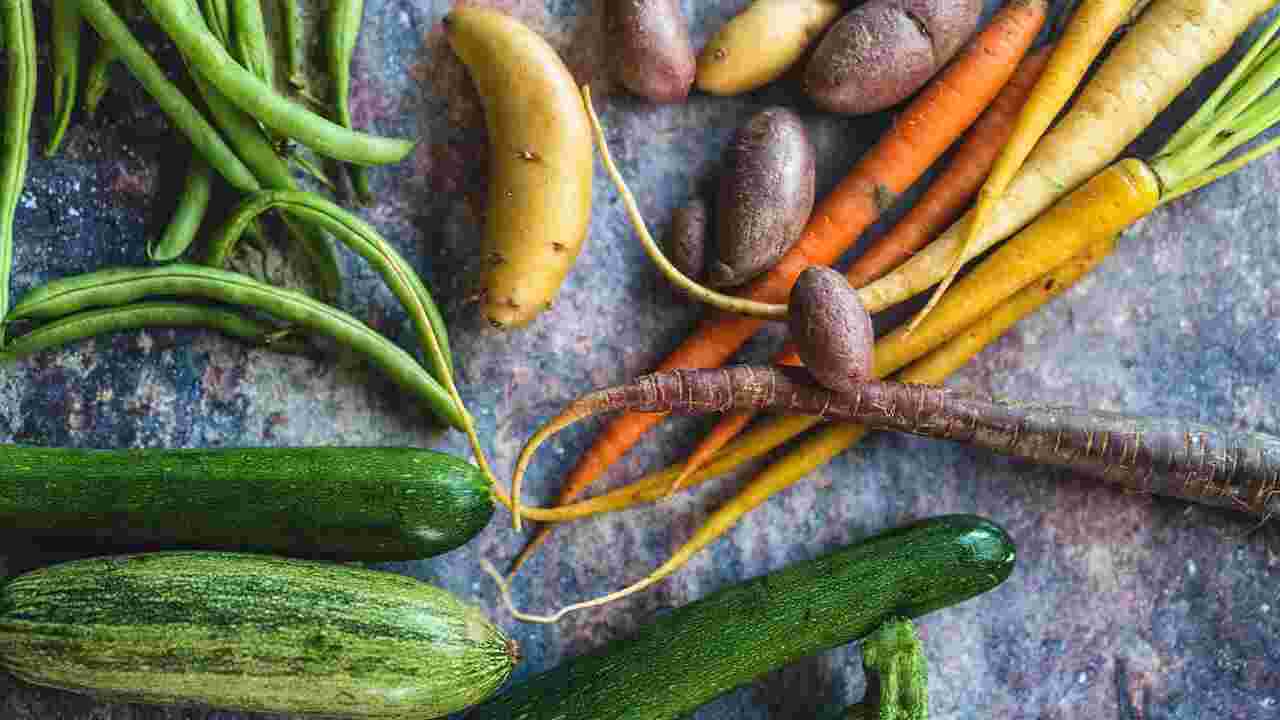
You open the fridge and find half a zucchini, a few wrinkly carrots, and some celery that's seen better days. It’s tempting to toss them, but those odds and ends can actually be the start of a delicious meal. Cooking with leftover vegetables isn’t just a money-saving move — it’s a creative way to reduce food waste and stretch your groceries even further.
Whether you're meal prepping, cleaning out your fridge, or just tired of wasting produce, learning a few zero-waste recipes can help you turn scraps and leftovers into satisfying, low-cost meals.
Why Zero-Waste Cooking Makes Sense
In the United States, it’s estimated that around 30–40% of the food supply is wasted. A lot of that waste happens in home kitchens, where unused ingredients spoil before they’re eaten. Not only does that hurt your wallet, but it also contributes to environmental problems through methane emissions and wasted resources.
Cooking with what's already in your fridge:
- Helps you save money every week
- Encourages meal planning around ingredients you already own
- Reduces the pressure to buy more food than necessary
- Turns "boring" leftovers into something fresh and new
Rules for Zero-Waste Veggie Cooking
Before diving into recipes, it helps to have a few flexible rules that make cooking with leftovers easier.
1. Don’t Overthink It
Not every meal needs to be gourmet. A stir-fry or soup made with mismatched vegetables can be just as satisfying as a recipe with a long ingredient list.
2. Sort by Cooking Time
Hard veggies (like carrots and potatoes) take longer to cook than soft ones (like spinach or tomatoes). Start cooking the dense veggies first and add the soft ones later.
3. Chop Everything Uniformly
Even if you're mixing lots of types of veggies, cutting them into evenly sized pieces helps everything cook consistently and look more appetizing.
Recipe 1: Fridge-Clean-Out Stir-Fry
This stir-fry is endlessly adaptable. Use any combination of vegetables you have, plus rice or noodles and a quick sauce.
Ingredients:
- 2 cups chopped mixed vegetables (carrots, bell pepper, zucchini, cabbage, onion)
- 1 tablespoon oil
- 1 clove garlic, minced
- 2 tablespoons soy sauce
- 1 teaspoon sesame oil (optional)
- Cooked rice or noodles
Instructions:
- Heat oil in a skillet or wok.
- Add garlic and harder vegetables like carrots first. Cook for 3–5 minutes.
- Add remaining vegetables and stir-fry until just tender.
- Add soy sauce and optional sesame oil.
- Serve over rice or noodles.
Top with an egg or tofu if you want to add protein without extra cost.
Recipe 2: Roasted Vegetable Medley
Roasting vegetables brings out their natural sweetness and is a great way to use up small quantities of several kinds.
Ingredients:
- 3–4 cups chopped veggies (potatoes, cauliflower, broccoli, beets, squash, etc.)
- 2 tablespoons oil
- Salt, pepper, and herbs like thyme or rosemary
Instructions:
- Preheat oven to 400°F (200°C).
- Toss chopped vegetables with oil, salt, and herbs.
- Spread on a baking sheet and roast for 25–35 minutes, flipping halfway through.
Serve as a side dish or turn into a grain bowl with rice and a drizzle of tahini or hot sauce.
Recipe 3: Vegetable Scrap Broth
You don’t need to toss peels, stalks, and tops — they can become a flavorful broth with almost no effort.
Ingredients:
- 4 cups veggie scraps (carrot peels, onion skins, celery tops, garlic ends, herb stems)
- 8 cups water
- Salt, pepper, bay leaf (optional)
Instructions:
- Place scraps in a pot and cover with water.
- Simmer for 45–60 minutes.
- Strain and store in jars or freezer bags.
Use this broth as a base for soup, risotto, or pasta sauce.
Recipe 4: Leftover Veggie Frittata
Frittatas are forgiving and fast. You can use any kind of vegetable, cooked or raw.
Ingredients:
- 6 eggs
- 1 cup chopped vegetables (onions, spinach, peppers, mushrooms)
- 1/2 cup cheese (optional)
- Salt, pepper, herbs
- 1 tablespoon oil
Instructions:
- Preheat oven to 375°F (190°C).
- In an oven-safe skillet, sauté vegetables until tender.
- Whisk eggs with salt, pepper, and herbs, then pour over the veggies.
- Sprinkle cheese on top and bake for 12–15 minutes or until set.
Great hot or cold, and it stores well in the fridge for a few days.
Recipe 5: Anything-Goes Soup
Soup is the ultimate zero-waste dish. Throw in whatever you have and let it simmer into something warm and comforting.
Ingredients:
- 1 tablespoon oil
- 1 onion or leek, chopped
- 2–3 cups mixed vegetables
- 4 cups vegetable broth (homemade or store-bought)
- 1 can beans or 1 cup cooked grains
- Herbs and spices (thyme, bay leaf, paprika, etc.)
Instructions:
- Sauté onion in oil until translucent.
- Add chopped vegetables and cook for a few minutes.
- Add broth and bring to a boil, then reduce to a simmer.
- Stir in beans or grains.
- Simmer for 15–20 minutes, season to taste.
This recipe is excellent for freezing. Portion it out and store in individual containers.
Extra Tips for Cooking with Leftover Veggies
Store Veggies the Smart Way
- Use clear containers so you can see what's inside
- Label leftovers with the date
- Keep “use me first” items in a dedicated spot in the fridge
Get Creative with Sauces
A great sauce can make any combination of leftovers taste brand new. Keep these on hand:
- Soy sauce or tamari
- Hot sauce
- Tahini
- Lemon juice
- Vinegar (balsamic, apple cider, white)
Freeze Before It’s Too Late
If you can’t use veggies in time, chop and freeze them for later use in stir-fries, soups, or pasta. You can also freeze small amounts of herbs in oil using ice cube trays.