
Water Heater Secrets: Lower Your Gas Bill Instantly
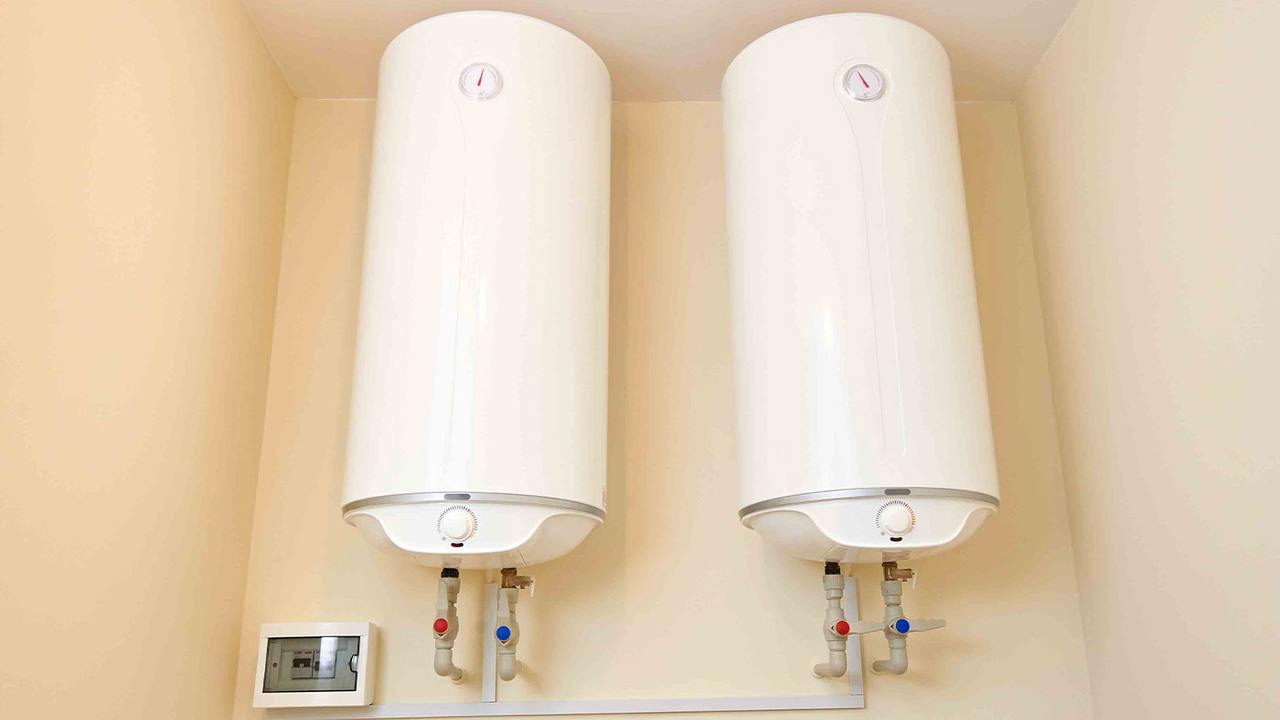
Hot water is one of the biggest hidden energy costs in most homes. Whether you're taking showers, washing dishes, or running the laundry, your water heater is working constantly — often behind the scenes. If you use a gas-powered water heater, it can account for up to 18% of your total energy bill.
The good news is that reducing your water heating costs doesn't require a full replacement or high-end system upgrade. With just a few adjustments and smart habits, you can lower your gas bill instantly and still enjoy plenty of hot water.
This article covers practical tips, maintenance strategies, and temperature settings that can lead to meaningful savings without sacrificing comfort.
Understand How Your Water Heater Works
A gas water heater uses a burner at the base of the tank to heat water stored inside. It keeps the water hot even when you're not using it, which means it cycles on and off throughout the day.
There are two main types of gas water heaters:
- Storage tank models: These hold 30 to 80 gallons of hot water and keep it ready at all times
- Tankless models: These heat water on demand as it flows through the unit
Most homes use storage tank models, and these are the easiest to optimize for energy savings.
Set the Right Temperature
The default temperature on many water heaters is 140°F, which is hotter than necessary for most households. Lowering the setting to 120°F can reduce standby heat loss and save money, while still being hot enough for bathing and cleaning.
Every 10-degree reduction can save 3–5% on your water heating bill. You’ll also reduce the risk of scalding and slow mineral buildup in the tank.
To change the setting:
- Locate the thermostat dial on your tank (usually near the bottom)
- Use a flathead screwdriver to turn it to the 120°F mark (or “low” if it’s unmarked)
- Wait a few hours and test the water temperature at a faucet
If your heater doesn't have a temperature dial, consult the manual or have a plumber assist.
Fix Leaks and Drips
A single dripping hot water faucet or showerhead can waste hundreds of gallons per year. Since that water has already been heated, every drop costs you money.
Inspect faucets, showerheads, and visible pipes regularly. Replace worn washers, tighten connections, and use Teflon tape where necessary. For leaks around the tank itself, call a professional — this may be a sign of pressure issues or corrosion.
You can also install low-flow aerators and showerheads to reduce how much hot water you use without changing your experience.
Insulate the Tank and Pipes
Gas water heaters lose heat to the surrounding air, especially if the tank is located in an unheated space like a garage or basement. You can limit heat loss with inexpensive insulation materials.
Tank insulation:
- Use a water heater blanket or jacket (available at hardware stores)
- Choose one with an R-value of at least 8
- Wrap it around the tank, leaving vents and controls uncovered
Pipe insulation:
- Wrap foam pipe sleeves around the first 3 to 6 feet of hot and cold pipes
- Focus on pipes closest to the heater and those running through unheated areas
Insulating your tank and pipes can reduce standby heat loss by 25% to 45% and cut water heating costs by up to 9%.
Use Less Hot Water Daily
The less hot water you use, the less your water heater needs to work. This doesn’t mean cold showers — just smarter habits.
- Take shorter showers: Reducing shower time by 2–3 minutes can save several gallons per day
- Wash clothes in cold or warm water instead of hot
- Run full loads in the dishwasher and washing machine
- Turn off the tap while shaving or brushing teeth
Even small changes in usage patterns add up quickly, especially in large households.
Install a Timer for Recirculating Pumps
Some homes use a hot water recirculation pump to provide instant hot water at every faucet. These systems improve convenience, but they also cause the water heater to run more often.
If your system doesn’t already include one, consider installing a timer to control when the pump operates. Set it to run only during peak usage times, such as mornings and evenings.
This simple tweak can prevent unnecessary energy use during the night or when no one is home.
Flush the Tank Annually
Mineral deposits from hard water accumulate at the bottom of the tank over time. This buildup reduces the unit’s efficiency and can cause popping or rumbling noises when the heater runs.
Flushing the tank once a year removes sediment and extends the heater’s life.
How to do it:
- Turn off the gas supply and cold water valve
- Attach a hose to the drain valve at the bottom of the tank
- Run the hose to a floor drain or outdoor area
- Open a hot water faucet upstairs and the drain valve on the tank
- Allow the tank to empty completely, then close the valves and refill
Be sure to consult your manual or call a plumber if you're unsure how to safely perform this task.
Upgrade When It’s Time
If your current heater is over 10 years old, it may be time to consider a replacement. Newer models are significantly more efficient than those installed a decade ago.
Look for:
- Energy Star certified models
- Improved insulation and burner design
- High-efficiency condensing gas heaters or hybrid heat pump water heaters
Though an upgrade involves upfront cost, the long-term savings on gas and maintenance can make it worthwhile — especially if your utility company offers rebates or tax incentives.
Avoid Heating Water You're Not Using
If you plan to be away from home for more than a couple of days, turn your water heater to the "vacation" or "pilot" setting. This keeps the pilot light on but avoids unnecessary water heating.
For longer trips, you can shut the heater off completely — just remember to relight the pilot or restart the unit when you return. Some newer models have a “smart vacation mode” that you can control remotely or schedule ahead of time.