
Seasonal Produce on a Dime: When to Buy What
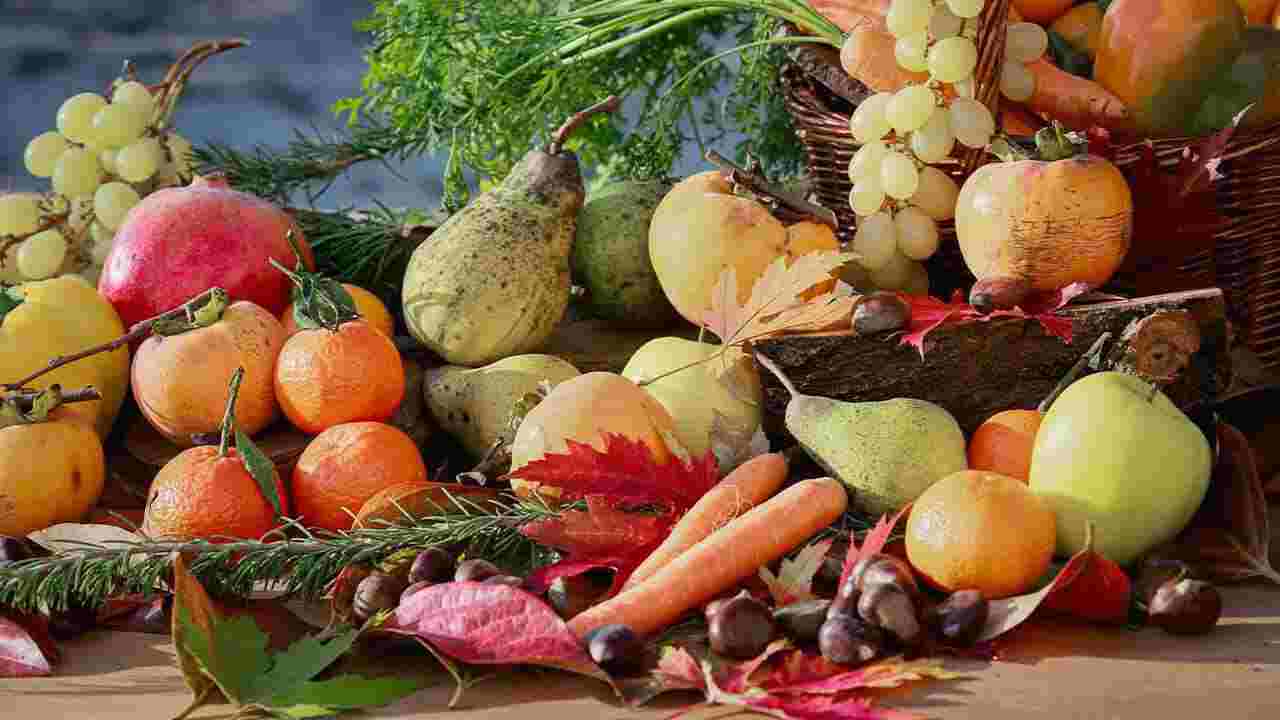
Have you ever grabbed a handful of strawberries in December, only to find they taste like water and cost more than a fancy coffee? That’s the trap of buying produce out of season — you pay more, and often get less flavor in return. But with just a bit of planning, you can flip the script, get fresher fruits and vegetables, and spend way less doing it.
Buying seasonal produce isn’t just about taste (though ripe peaches in summer are hard to beat). It’s a smart, cost-effective way to stretch your grocery budget and support more local agriculture. Here's how to time your shopping so you're getting the best quality at the lowest price — month by month, season by season.
Why Seasonal Produce Is Cheaper (and Better)
1. Supply and Demand
When produce is in season, it’s abundant. More supply usually means lower prices. Out-of-season produce is often imported or grown in costly greenhouses, and those added expenses get passed on to you.
2. Fresher and Tastier
In-season fruits and veggies are harvested closer to peak ripeness. They haven’t spent days in transit or storage, so they’re more flavorful and often more nutrient-dense.
3. Better for the Environment
Seasonal buying typically means fewer transport miles, less refrigeration, and a smaller carbon footprint — good for the planet, too.
Spring Produce (March – May)
As the weather starts to warm up, grocery stores and farmers markets begin offering a wider selection of tender greens, berries, and early root vegetables.
In Season:
- Asparagus
- Spinach
- Lettuce
- Radishes
- Peas
- Strawberries
- Artichokes
- Green onions
Budget Tip:
Spring is a great time to buy leafy greens in bulk and prep salads, sautés, or smoothies. Watch for early-season berries — especially local ones — as they tend to go on sale quickly when they hit the shelves.
Summer Produce (June – August)
Summer is peak produce season. That means flavor is at its best and prices are often at their lowest — especially if you shop weekly sales and stick to what's abundant.
In Season:
- Tomatoes
- Zucchini
- Bell peppers
- Corn
- Cucumbers
- Blueberries
- Blackberries
- Peaches
- Nectarines
- Melons (cantaloupe, watermelon)
- Plums
Budget Tip:
Buy extras of what’s cheap and freeze it. Berries, sliced peaches, and corn can be frozen with minimal prep and used all year long.
Smart Storage Tip:
Keep tomatoes out of the fridge — they lose flavor when cold. Instead, store them at room temperature and use them quickly.
Fall Produce (September – November)
Fall is harvest time, and the variety is incredible. You’ll find hearty root vegetables, apples, and squash taking over store displays. These items are perfect for cozy meals and tend to keep longer, reducing waste.
In Season:
- Apples
- Pears
- Carrots
- Beets
- Pumpkins
- Sweet potatoes
- Butternut squash
- Kale
- Broccoli
- Cauliflower
- Brussels sprouts
Budget Tip:
Roast a big batch of root veggies and use them in bowls, wraps, or salads throughout the week. Buy apples by the bag — they keep for weeks and are often cheaper per pound that way.
Storage Hack:
Hard squash like butternut and acorn can last for months in a cool, dark place. Stock up when prices drop.
Winter Produce (December – February)
You might think fresh produce is slim during the colder months, but winter still has its stars. Citrus fruits shine now, as well as durable vegetables that survive storage and cold temps.
In Season:
- Oranges
- Grapefruits
- Clementines
- Lemons
- Limes
- Cabbage
- Potatoes
- Onions
- Leeks
- Turnips
Budget Tip:
Citrus is at its juiciest and cheapest in winter. Stock up on bags of oranges or grapefruits for healthy snacks and juices.
Meal Hack:
Use cabbage or shredded carrots as a base for slaws, stir-fries, or soups. They’re cheap, last long, and versatile.
How to Spot Seasonal Deals at the Store
Watch the Flyers:
Check weekly ads to see which fruits and vegetables are featured — those are usually the in-season, discounted items.Check the Front Display:
Most stores highlight seasonal produce at the front of the produce section or near the entrance. That's your first clue.Look at Per-Pound Prices:
When prices drop below the usual average (like $0.99/lb for apples or $1.50 for avocados), it's a good indicator that the item is in season.
Bonus Tips for Maximizing Seasonal Shopping
1. Buy Local When You Can
Farmers markets or local co-ops often sell produce that was picked that morning — and it can be cheaper because there’s no middleman. If it’s not cheaper, it’s at least fresher and supports your local economy.
2. Learn to Prep and Freeze
If you find a great deal on in-season produce, don’t let it go to waste. You can freeze chopped bell peppers, blanched green beans, sliced peaches, and even tomatoes for sauces. Just label and date your containers.
3. Blend Fresh with Frozen
Use in-season fresh produce where it counts — like salads, snacks, or fresh salsas. Supplement with frozen for cooked dishes like soups, stews, and casseroles.
4. Shop the Ends of Season
Stores will often clear out stock just before a season ends. You can score super-cheap prices on peaches in late August or apples in late November.
Know What’s Coming
Keep a running seasonal produce chart — or print one and stick it on your fridge. This way, you can plan your meals and grocery list around what’s coming into season. It’s a small habit that leads to big savings.