
Pantry Essentials: Stock Up Without Breaking the Bank
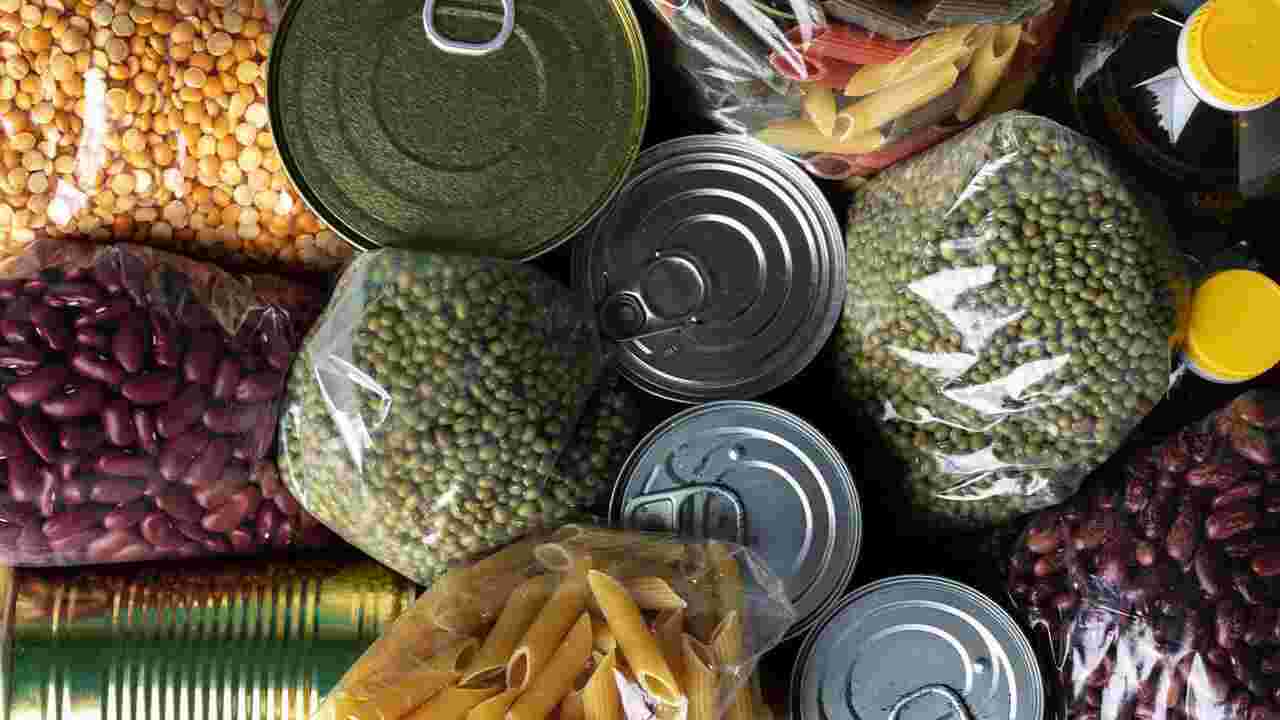
You open your pantry to make dinner and find half a bag of rice, a lonely can of beans, and some expired breadcrumbs. Not exactly inspiring, right? A well-stocked pantry can be a game-changer for meal planning, budget shopping, and last-minute dinner saves — and it doesn’t have to cost a fortune.
The secret isn’t buying everything at once. It’s about building your pantry over time, prioritizing versatile staples, and knowing when and where to find the best deals. Here’s how to stock up smart and stretch your grocery budget along the way.
Why Your Pantry Matters
A stocked pantry gives you options. It’s the backup singer that helps your fresh ingredients shine. When you have go-to grains, canned goods, spices, and sauces ready to go, you’re less likely to panic order takeout or make another store run.
A strong pantry means:
- Easier weekly meal planning
- Fewer impulse trips to the store
- The ability to cook from scratch (and save money doing it)
Let’s break down the essentials and how to stock them on a budget.
Top Budget-Friendly Pantry Categories
1. Grains & Starches
Versatile, filling, and cheap — grains are the backbone of budget meals.
Stock Up On:
- White or brown rice
- Pasta (spaghetti, penne, etc.)
- Quinoa
- Oats (quick or rolled)
- Couscous
- Instant noodles or ramen (with DIY flavor upgrades)
Tips:
- Buy in bulk when on sale — especially rice and oats
- Watch for seasonal pasta deals (often around holidays)
2. Canned Goods
Canned foods are shelf-stable, affordable, and great for emergencies or quick dinners.
Stock Up On:
- Diced tomatoes
- Tomato paste or sauce
- Beans (black, kidney, chickpeas, cannellini)
- Tuna, salmon, or sardines
- Coconut milk
- Canned vegetables (corn, green beans, mushrooms)
Tips:
- Store brands are often just as good for half the price
- Rinse canned beans to cut sodium and improve flavor
3. Baking Basics
Even if you’re not a baker, these pantry items help with thickening sauces, breading proteins, and making pancakes or muffins from scratch.
Stock Up On:
- All-purpose flour
- Sugar (white, brown, or both)
- Baking powder and baking soda
- Yeast (if you bake bread)
- Cornstarch
- Cocoa powder (for treats or mole sauce)
Tips:
- Keep flour and yeast in the fridge or freezer to extend freshness
- Look for markdowns after major baking holidays (Thanksgiving, Christmas)
4. Condiments & Sauces
Flavor is everything. A few key sauces can turn a plain meal into something crave-worthy.
Stock Up On:
- Soy sauce
- Hot sauce
- Mustard
- Ketchup
- Vinegar (white, apple cider, balsamic)
- Peanut butter or nut butters
- Jarred salsa or pasta sauce
Tips:
- Buy when on BOGO sales and store unopened extras in the back of the pantry
- Dollar stores often carry smaller jars at lower prices
5. Oils & Fats
You don’t need five kinds of oil — just the right ones.
Stock Up On:
- Olive oil (for cooking or salad dressings)
- Vegetable or canola oil (neutral flavor, higher smoke point)
- Butter or shelf-stable ghee (if you like richer dishes)
- Non-stick spray (budget-friendly alternative to bottled oil)
Tips:
- Buy larger bottles only if you’ll use them within 6–12 months
- Store in a cool, dark place to prevent spoilage
6. Spices & Seasonings
Don’t overlook spices. Even budget meals can taste gourmet with the right blend.
Stock Up On:
- Salt (kosher and/or table salt)
- Black pepper
- Garlic powder
- Onion powder
- Chili powder
- Cumin
- Italian seasoning or mixed herbs
- Cinnamon (for both sweet and savory uses)
Tips:
- Buy from international or bulk stores for much cheaper prices
- Stick to multi-use spices if your budget is tight
7. Shelf-Stable Extras
These are the helpers — little add-ons that make weeknight cooking smoother.
Stock Up On:
- Broth or bouillon cubes
- Instant rice or grain packs
- Jarred pickles or olives
- Crackers or crispbread
- Shelf-stable plant milk (oat, soy, almond)
- Granola bars or nut mixes for snacks
Tips:
- Rotate these items often to prevent expiration
- Use clear bins or labels to keep your pantry organized and avoid buying duplicates
How to Stock Up Without Overspending
1. Build Slowly
You don’t have to overhaul your pantry in one week. Add a few items per trip — especially when they’re on sale. Focus on staples you’ll use often.
2. Use Sales Cycles
Watch for holiday sales (like canned goods in November or baking supplies in December) and plan your stock-ups around those markdowns.
3. Don’t Be Brand Loyal
Store brands are often just as good and significantly cheaper. Test one or two items each trip and compare.
4. Shop at Discount Stores
Try Aldi, Lidl, dollar stores, or even online retailers like Thrive Market for pantry basics. Prices are often lower than traditional grocery chains.
5. Buy in Bulk (But Smartly)
Only bulk-buy what you’ll actually use before it expires. If space is limited, prioritize multi-use ingredients like rice, pasta, and canned tomatoes.
Pantry Maintenance Tips
- Rotate Stock: First in, first out. Move older items to the front so they get used before expiring.
- Check Dates: Do a quarterly pantry audit to make sure nothing is way past its date.
- Label Your Jars: If you decant flour, rice, or oats into containers, label them with the purchase date.
- Keep It Visible: Store frequently used items at eye level so you’re not constantly forgetting what you have.
Pantry Staples That Stretch a Meal
When your fridge is running low, these MVPs can carry you through:
- Canned tomatoes + pasta + garlic = instant pasta night
- Oats + nut butter + honey = energy bites
- Rice + beans + spices = burrito bowls
- Tuna + crackers + pickles = quick lunch
Being able to whip up meals like these without a store run can save you time, money, and stress.