
LED vs. CFL vs. Incandescent: Which Is Really Cheap?
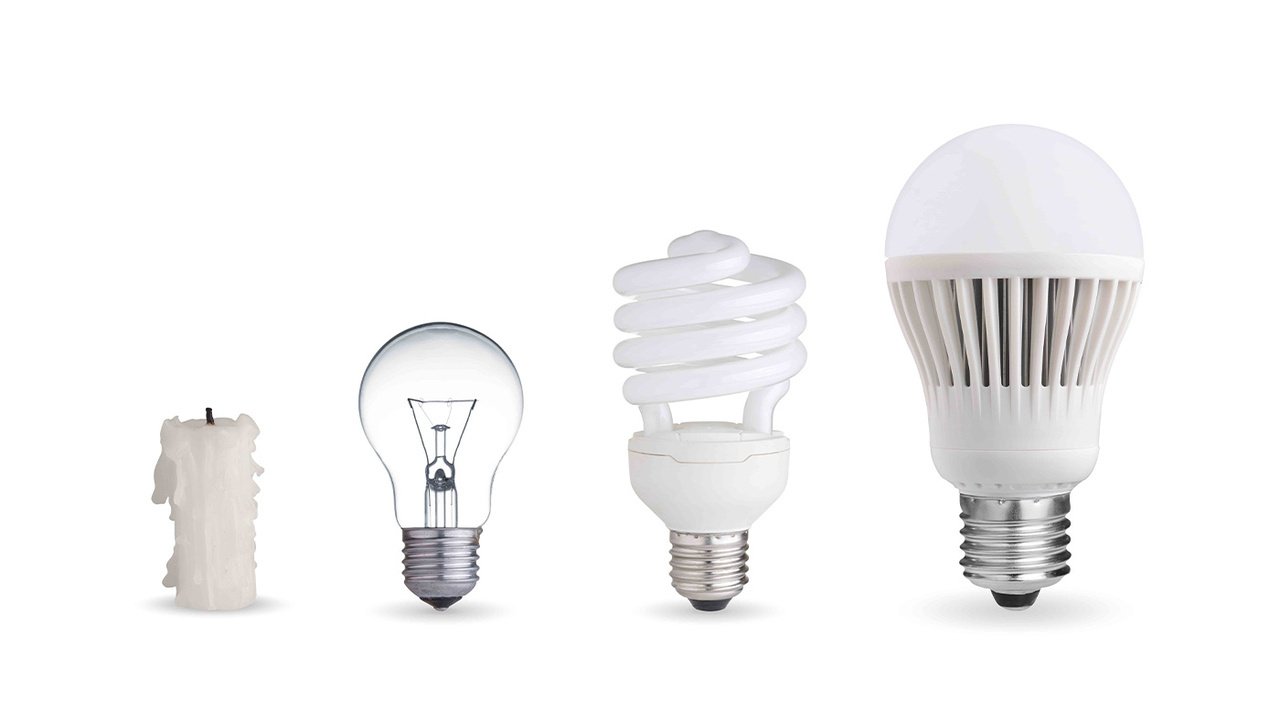
Lightbulbs may seem like a small detail in your home, but the type you choose can have a big impact on your electricity bill. With lighting accounting for about 10% of household electricity use in the U.S., selecting energy-efficient bulbs is a simple and effective way to reduce costs over time.
Three main types of bulbs are commonly found in American homes: incandescent, compact fluorescent lamps (CFLs), and light-emitting diodes (LEDs). Each has its own characteristics, energy use, lifespan, and long-term cost. This article breaks down how these bulb types compare — not just in price, but in how much they’ll cost you over time.
The Basics: Understanding Each Bulb Type
Before diving into costs, it helps to understand how each bulb works.
Incandescent bulbs are the oldest type and were the standard for decades. They work by heating a wire filament until it glows. While inexpensive upfront, they are highly inefficient — about 90% of the energy they use is lost as heat rather than light.
CFLs use a small amount of gas and a phosphorescent coating inside a spiral tube to produce light. They’re more efficient than incandescent bulbs and were promoted as an energy-saving option in the early 2000s.
LEDs use semiconductors to convert electricity directly into light. They’re the most efficient of the three, use very little electricity, and last significantly longer.
Upfront Costs Compared
When purchasing a bulb, the first thing most shoppers notice is the sticker price.
- Incandescent: Around $1 per bulb
- CFL: Typically $2 to $4 per bulb
- LED: Usually $2 to $6 per bulb, though multipacks bring the per-unit price lower
At the checkout line, incandescent bulbs appear to be the cheapest. But that upfront cost doesn't tell the whole story — operating cost and lifespan are far more important for long-term savings.
Energy Use and Operating Costs
Let’s compare the wattage needed to produce the same amount of light — roughly equivalent to a 60-watt incandescent bulb:
- Incandescent: 60 watts
- CFL: 13 to 15 watts
- LED: 8 to 10 watts
Assuming the average bulb is used 3 hours per day and electricity costs 13 cents per kilowatt-hour (kWh), here’s how that plays out over a year:
- Incandescent: 60 watts × 3 hours × 365 days ÷ 1,000 = 65.7 kWh = $8.54
- CFL: 15 watts × 3 hours × 365 days ÷ 1,000 = 16.4 kWh = $2.13
- LED: 10 watts × 3 hours × 365 days ÷ 1,000 = 10.95 kWh = $1.42
Over the course of a year, a single LED bulb uses about one-sixth the electricity of an incandescent bulb and costs significantly less to operate.
Lifespan and Replacement Costs
Another major factor is how often you need to replace bulbs. Here are the typical lifespans:
- Incandescent: 1,000 hours
- CFL: 8,000 hours
- LED: 15,000 to 25,000 hours
That means an LED can last up to 25 times longer than an incandescent bulb and over twice as long as a CFL. For a bulb used 3 hours per day, that’s over 22 years of life for an LED, compared to just under a year for an incandescent.
If you consider replacement cost over 25,000 hours:
- You’d need 25 incandescent bulbs (25 × $1 = $25)
- About 3 CFL bulbs (3 × $3 = $9)
- Just 1 LED bulb ($4 average)
So even if an LED bulb costs four times more upfront, it still wins in total cost.
Total Cost Over Time
Let’s combine all the numbers and calculate the cost of using one bulb for 25,000 hours of use, including purchase price and electricity:
- Incandescent: $25 in bulbs + (25,000 hrs × 60W ÷ 1,000 × $0.13) = $25 + $195 = $220
- CFL: $9 in bulbs + (25,000 hrs × 15W ÷ 1,000 × $0.13) = $9 + $48.75 = $57.75
- LED: $4 in bulbs + (25,000 hrs × 10W ÷ 1,000 × $0.13) = $4 + $32.50 = $36.50
Over the long term, LEDs cost less than one-sixth of what incandescents cost and significantly less than CFLs.
Light Quality and Performance
Cost isn’t everything. Light quality, brightness, and color temperature all affect how a bulb feels in your home.
Incandescent bulbs emit a warm, familiar glow that many people find comforting. CFLs can produce a harsher, cooler light and take a few seconds to reach full brightness. LEDs come in a wide variety of color temperatures and can match the warm light of incandescents or the brightness of daylight.
In terms of dimming:
- Incandescents dim smoothly and naturally
- CFLs often don’t dim well and may require special fixtures
- LEDs are widely available in dimmable options, though some need compatible dimmer switches
For most households, LEDs now offer the best combination of light quality and customization.
Environmental Impact
Because incandescent bulbs use more energy and need frequent replacement, they create more waste and generate more emissions over their lifespan.
CFLs contain a small amount of mercury, which makes disposal trickier. Broken CFLs must be handled with care, and spent bulbs should be taken to recycling centers rather than tossed in the trash.
LEDs are the most eco-friendly option. They consume less energy, contain no hazardous materials, and need to be replaced less often.
Rebates and Incentives
Many utilities and government programs offer rebates or discounts for LED lighting. Check with your energy provider to see if they provide:
- Instant discounts at the register
- Mail-in rebates for LED purchases
- Free energy-saving kits that include bulbs
These programs can significantly reduce the upfront cost of switching to LED, making the choice even more affordable.
Where to Use Each Type
While LEDs are the most economical long term, there may be situations where other types still have a place:
- Incandescents may still be used in appliances or low-use fixtures, though they're being phased out
- CFLs can be a short-term upgrade in fixtures that don’t accept LED bulbs
- LEDs should be the go-to for rooms with long operating hours: kitchens, living rooms, home offices, and outdoor lighting